
Last updated
STP execution technology stands for Straight-Through Processing. This automated system processes trades from start to finish without any manual intervention. In forex trading, STP means your orders go directly to the market without a dealing desk getting in the way.
The technology creates a bridge between retail traders and liquidity providers. Think of it as a digital highway. Your trade order drives straight through to banks and other institutions that provide market liquidity.

Traditional brokers often act as market makers. They take the opposite side of your trades. STP brokers work differently. They pass your orders directly to the interbank market where real price discovery happens.
Market makers create their own prices. They profit from the spread between what they buy and sell currencies for. STP brokers don't take positions against you. They earn money through markups or commissions.
This difference matters for your trading results. Market makers have conflicts of interest. When you win, they lose money. STP brokers want you to trade more volume. Your success helps their business grow.
Modern STP systems use sophisticated technology stacks. The core components include order management systems, risk management modules, and connectivity engines. These parts work together to process thousands of trades per second.
Order routing algorithms analyze market conditions in real-time. They find the best available prices across multiple liquidity sources. The system executes trades at speeds measured in milliseconds.
STP brokers maintain direct connections to major banks and ECNs (Electronic Communication Networks). These connections use protocols like FIX (Financial Information Exchange). FIX protocol standardizes how trading systems communicate.
Redundant connections prevent downtime. If one liquidity provider goes offline, the system automatically routes orders to backup sources. This ensures continuous market access during volatile periods.
| Component | Function | Speed Impact |
|---|---|---|
| Order Management System | Routes and tracks all trade orders | 2-5 milliseconds |
| Risk Engine | Pre-trade risk checks and position limits | 1-3 milliseconds |
| Liquidity Aggregator | Combines prices from multiple sources | 3-7 milliseconds |
| Execution Engine | Sends orders to liquidity providers | 1-2 milliseconds |
Every millisecond counts in STP execution. Brokers co-locate their servers near major financial centers. This reduces network delays between order entry and execution.
Advanced systems use field-programmable gate arrays (FPGAs) for ultra-low latency processing. These specialized chips can process orders in under 500 microseconds. That's 500 times faster than traditional software systems.
Traders often confuse STP and ECN execution models. Both avoid dealing desk conflicts. But they work differently under the hood.
STP brokers aggregate liquidity from banks and other providers. They may add markup to spreads or charge commissions. ECN brokers provide direct market access to an electronic network where participants trade with each other.
ECN brokers show market depth. You can see bid and offer sizes at different price levels. STP brokers typically show only the best bid and ask prices. This limits your view of market liquidity.
Both models beat dealing desk execution for serious traders. The choice depends on your trading style and volume requirements. High-frequency traders prefer ECN access. Swing traders often do fine with quality STP execution.

STP brokers make money in different ways. Some add small markups to spreads. Others charge fixed commissions per trade. A few use hybrid models with both markups and commissions.
ECN brokers almost always charge commissions. Raw spreads come directly from the interbank market. You pay a fixed fee per lot traded. This creates predictable trading costs for active traders.
Industry estimates suggest that approximately 78% of institutional forex volume now flows through STP and ECN systems, up from an estimated 45% five years ago.
STP execution offers several key benefits over traditional dealing desk models. The most important advantage is conflict-free order processing. Your broker doesn't profit from your losses.
Speed ranks as the second major benefit. Sub-10 millisecond execution is now standard for quality STP systems. This speed advantage helps with slippage reduction and better fill prices.
STP brokers connect you to the global interbank forex market. This deep liquidity pool reduces price gaps and improves execution quality. Large orders get filled without significant market impact.
Multiple liquidity providers create competitive pricing. The system finds the best available rates across all connected sources. This typically results in tighter spreads than single-source execution.
Professional STP systems track detailed performance statistics. Key metrics include fill rates, price improvement frequency, and negative slippage percentages. Brokers with quality infrastructure publish these numbers monthly.
Best execution rules require brokers to demonstrate fair order handling. STP systems naturally align with these requirements. Automated processing reduces subjective decision-making in order execution.
Building a proper STP system requires substantial technology investment. Brokers need robust hardware, multiple data centers, and extensive connectivity infrastructure. Industry estimates suggest the total setup costs often exceed $5 million for institutional-grade systems.
Software development represents another major expense. Custom order management systems require specialized expertise. Many smaller brokers license technology from established providers rather than building their own.
STP brokers must comply with complex reporting requirements. Systems automatically generate trade reports for regulators. This includes detailed order timestamps, execution venues, and client information.
Risk management systems monitor positions in real-time. They prevent over-leverage and ensure margin requirements. Automated controls reduce operational risk and protect both brokers and clients.
Professional STP operations maintain backup data centers. If the primary location fails, trading continues from secondary sites. Recovery time objectives typically target under 60 seconds for critical systems.
Data replication happens continuously between locations. This ensures no trade data is lost during system failures. includes comprehensive backup procedures.

Many brokers claim to offer STP execution. But implementation quality varies significantly. Poor technology choices can create more problems than they solve.
Liquidity provider relationships represent the biggest challenge. Banks and ECNs have strict requirements for connectivity. New brokers often struggle to establish these crucial partnerships.
Legacy trading platforms may not support modern STP protocols. Upgrading existing systems while maintaining service continuity requires careful planning. Integration projects often take 12-18 months to complete properly.
Staff training becomes critical during STP implementations. Operations teams need new skills for managing automated systems. Support staff must understand different execution models to help clients effectively.
STP systems have high fixed costs but lower marginal costs per trade. This creates challenges for smaller brokers with limited trading volume. They may struggle to achieve profitable economics.
Technology maintenance costs increase over time. Systems need regular updates to handle new protocols and regulatory requirements. Based on typical industry practices, annual technology budgets often reach 15-20% of total operating costs.
STP execution continues evolving rapidly. New technologies promise even faster processing speeds and better execution quality. Machine learning algorithms now optimize order routing decisions in real-time.
Cloud computing is transforming STP infrastructure. Brokers can access enterprise-grade technology without massive capital investments. This levels the playing field between large and small firms.
AI systems analyze market patterns to predict optimal execution timing. They consider factors like volatility, liquidity cycles, and news events. Smart routing algorithms adapt to changing market conditions automatically.
Predictive analytics help brokers manage risk more effectively. Systems can identify potential problem trades before execution. This reduces operational losses and improves client outcomes.
Some firms experiment with blockchain for trade settlement. Distributed ledgers could eliminate traditional clearing processes. But regulatory approval and industry adoption remain significant hurdles.
Smart contracts might automate parts of the trading lifecycle. This could reduce counterparty risk and speed up settlement times. However, forex markets may be too complex for simple smart contract implementations.
STP stands for Straight-Through Processing. It's an automated technology that processes forex trades from order entry to execution without manual intervention. STP systems route your orders directly to liquidity providers in the interbank market.
Yes, STP execution typically offers better conditions for serious traders. STP brokers don't take positions against your trades, eliminating conflicts of interest. You get faster execution speeds, tighter spreads, and access to institutional-grade liquidity.
Quality STP systems execute trades in under 12 milliseconds on average. This is significantly faster than dealing desk brokers, which may take 100-500 milliseconds. The speed advantage reduces slippage and improves fill prices, especially during volatile market conditions.
STP brokers aggregate liquidity from multiple sources and may add small markups to spreads. ECN brokers provide direct access to an electronic trading network where participants trade with each other. ECN typically offers more transparency but requires commission-based pricing.
Absolutely. Modern STP systems don't discriminate based on account size. You get the same execution quality whether you're trading $100 or $100,000 positions. Based on typical market offerings, many STP brokers offer accounts starting from $50 with full institutional-grade execution.
Request detailed execution statistics including average execution speeds, slippage reports, and fill quality data. True STP brokers publish these metrics regularly. Also check if they have direct relationships with major liquidity providers like Deutsche Bank, JP Morgan, or other tier-one institutions.
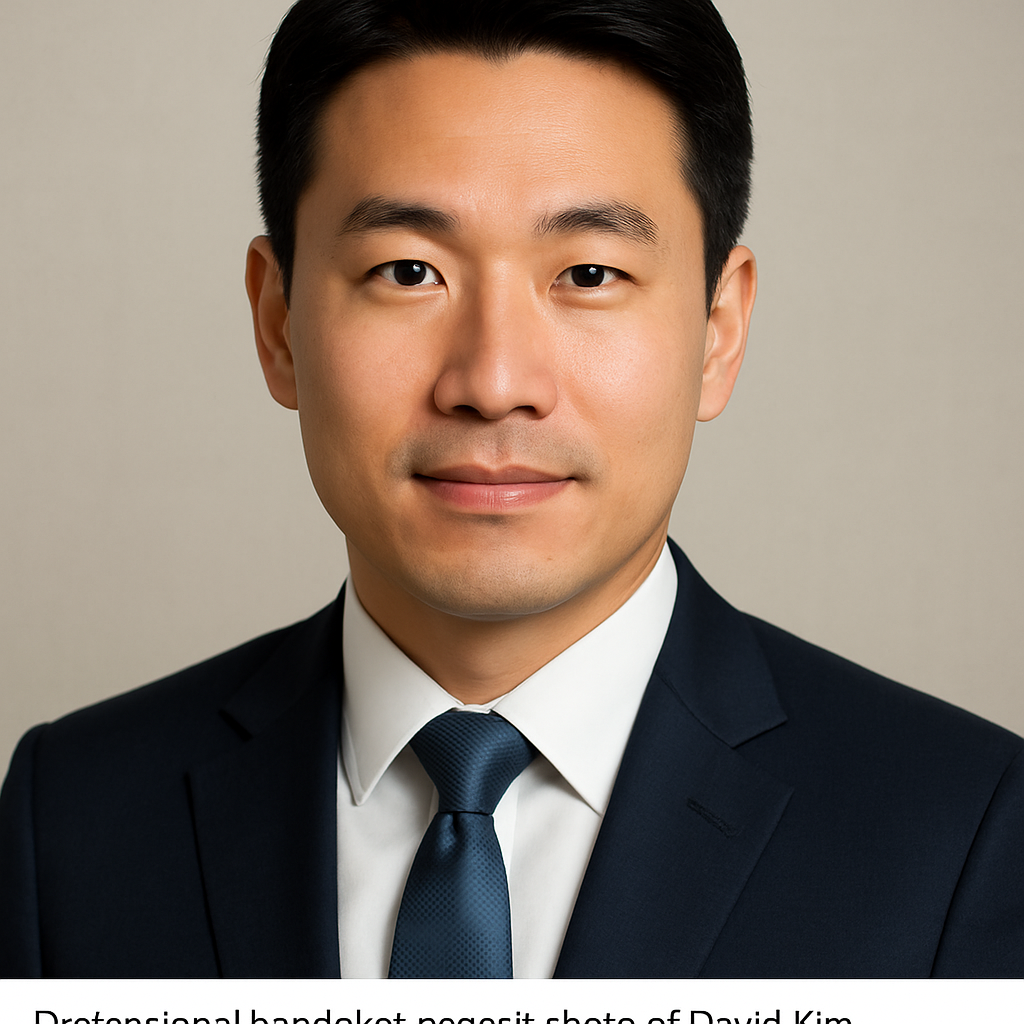
Forex Market Research Analyst
David Kim brings 15 years of institutional forex analysis experience to retail and prop trading evaluation. His data-driven approach to broker comparison and market structure analysis provides traders with the quantitative insights needed for informed platform and strategy decisions.
