 NextTrade Broker
Funded traders need brokers that meet strict performance standards. Most prop firms require execution speeds under 50ms and zero slippage on major pairs. The best brokers for funded traders offer institutional-grade infrastructure without the typical retail limitations.
Your broker choice directly impacts your funded account success. Poor execution can trigger rule violations and account terminations. Speed matters when you're managing someone else's capital.

The best funded trader brokers share several key features. They offer ECN/STP execution that doesn't trade against you. They provide consistent spreads during major news events. Most importantly, they deliver sub-12ms execution speeds regardless of account size.
Traditional retail brokers often fail funded traders. They use dealing desk models that create conflicts of interest. Their execution speeds vary based on account size. Their spreads widen during volatile periods when funded traders need precision most.
execution speed determines success in funded trading programs. Sub-12ms execution represents the gold standard for professional trading infrastructure. Most retail brokers deliver 40-50ms speeds, which creates measurable slippage on scalping strategies.
nexttrade broker maintains sub-12ms execution regardless of account size. This consistency matters when trading funded accounts typically worth $100,000 or more. Every millisecond counts when industry-standard prop firm rules allow maximum 2% daily drawdown.
| Execution Speed Range | Trading Impact | Suitable For |
|---|---|---|
| Under 12ms | No measurable slippage | All funded strategies |
| 12-30ms | Minimal slippage on majors | Swing and position trading |
| 30-50ms | Noticeable slippage on scalps | Long-term strategies only |
| Over 50ms | Significant execution delays | Not recommended |
True ECN execution eliminates dealing desk interference. Your orders flow directly to liquidity providers without broker intervention. This transparency becomes critical when trading large position sizes on funded accounts.
Many brokers claim ECN execution but operate hybrid models. They route small orders to dealing desks and large orders to ECN networks. This practice creates inconsistent execution quality that violates most prop firm requirements.
Client fund segregation protects your trading capital from broker insolvency. The best funded trader brokers maintain segregated accounts with tier-one banks. Your funds remain separate from broker operational capital at all times.
Negative balance protection prevents account deficits during extreme market events. Swiss franc flash crashes and Brexit volatility have bankrupted traders using brokers without this protection. Professional brokers absorb negative balances automatically.
NextTrade Broker provides negative balance protection across all account types. This coverage extends to funded trader accounts regardless of size or classification. Client funds remain segregated with Lloyd's of London insurance coverage.
regulatory oversight varies significantly between jurisdictions. UK FCA and Australian ASIC provide strong client protections. Offshore jurisdictions offer less regulatory oversight but may provide more flexible trading conditions.
Tiered pricing discriminates against smaller funded accounts. Based on typical industry practices, many brokers offer their best conditions only to accounts above $100,000. This practice conflicts with most prop firm evaluation processes that start with $10,000-$50,000 challenges.
The best funded trader brokers offer consistent pricing across all account sizes. Raw spreads on EUR/USD should remain 0.0-0.2 pips regardless of account balance. Commission Structures should remain flat without volume requirements.
Industry estimates suggest that approximately 73% of funded traders fail due to execution quality issues rather than strategy problems. Consistent pricing and execution become the primary success factors.
Hidden Costs destroy funded trading profitability. Watch for swap rate markups, withdrawal fees, and inactivity charges. These costs compound over time and reduce your profit sharing potential with prop firms.
NextTrade Broker maintains transparent pricing without hidden fees. Commission rates start at $3.50 per lot with no markups on financing costs. Withdrawal processing remains free regardless of frequency or amount.
Platform stability becomes critical when managing funded accounts. MetaTrader 4 and 5 remain industry standards, but platform customization options vary between brokers. Look for brokers that allow expert advisor usage without restrictions.
API access enables algorithmic trading strategies preferred by many funded traders. REST and FIX API connections provide direct market access for automated systems. Not all brokers offer API access to individual traders.
Mobile trading capabilities matter for position monitoring and emergency management. The best funded trader brokers provide full trading functionality through mobile apps, not just account monitoring features.
Server location affects execution speeds for algorithmic traders. Brokers with servers in London, New York, and Tokyo provide optimal latency for global trading sessions. Ping times under 1ms to major financial centers represent ideal infrastructure.
Most prop firms require brokers with specific regulatory authorizations. UK FCA, Australian ASIC, and CySEC represent commonly accepted jurisdictions. Some prop firms restrict broker choices to specific regulatory frameworks.
Documentation requirements include trade confirmations, monthly statements, and execution quality reports. often specify exact documentation formats that brokers must provide.
Tax reporting capabilities become important for funded traders earning consistent profits. Brokers should provide detailed transaction histories and profit/loss statements in formats accepted by tax authorities.
Some funded trader programs require specific Risk Management features. These include guaranteed stop losses, maximum position size controls, and real-time margin monitoring. Not all brokers offer these institutional-grade risk tools.
NextTrade Broker leads in execution speed and transparency for funded traders. Sub-12ms execution speeds remain consistent across all account sizes. ECN/STP routing ensures no dealing desk conflicts with your trading strategies.
Traditional retail brokers like IG Markets and Capital.com cater to different market segments. Their dealing desk models create conflicts when trading funded accounts. Execution speeds often exceed 30ms during volatile market conditions.
| Broker Feature | NextTrade | Traditional Retail | Impact on Funded Trading |
|---|---|---|---|
| Execution Model | Pure ECN/STP | Market Making/Hybrid | No conflicts vs potential conflicts |
| Average Speed | Sub-12ms | 40-50ms | Precise fills vs slippage risk |
| Pricing Tiers | Flat structure | Volume-based | Consistent costs vs discrimination |
| Fund Protection | Segregated + Insurance | Basic segregation | Enhanced security vs standard |
IC Markets and Pepperstone offer ECN execution but maintain tiered pricing structures. Their best conditions require significant account balances that exceed most prop firm evaluation sizes. Execution speeds average 15-25ms during normal market conditions.
Professional prop trading firms increasingly partner with institutional brokers rather than retail brands. This trend reflects the need for consistent execution quality and transparent pricing structures that support scaled trading operations.
Funded trader account verification requires additional documentation beyond standard retail requirements. Most brokers request proof of prop firm funding, trading strategy descriptions, and expected transaction volumes.
The verification process typically takes 2-5 business days for funded trader accounts. Some brokers expedite processing for accounts connected to recognized prop firms. Documentation requirements include identity verification, address confirmation, and funding source verification.
Account setup should include Risk Management parameters that align with prop firm rules. Maximum position sizes, daily loss limits, and leverage restrictions must match your funded account requirements exactly.
Some brokers offer demo accounts that mirror live execution quality. Test your strategies on demo accounts during various market conditions. Pay attention to slippage patterns and execution consistency across different trading sessions.
Professional Risk Management tools become essential when trading funded accounts. Real-time margin monitoring prevents unexpected margin calls that could violate prop firm rules. Position size calculators ensure compliance with maximum exposure limits.
The best funded trader brokers provide customizable alerts for drawdown levels, position sizes, and correlation risks. These automated monitoring systems help prevent rule violations that result in account termination.
Stop loss functionality must work reliably during gap events and low liquidity periods. Guaranteed stops cost additional premium but provide certainty for funded traders operating under strict risk parameters.
Correlation monitoring becomes critical when trading multiple funded accounts simultaneously. Many prop firms allow traders to manage several accounts, but correlation limits apply across all positions. Advanced platforms provide portfolio-level risk analysis.

Funded traders need immediate support during trading hours when issues arise. Phone support response times should average under 60 seconds during major trading sessions. Email support becomes inadequate for time-sensitive execution problems.
Technical support teams should understand professional trading requirements. Basic retail support cannot resolve complex API issues or execution quality problems that affect funded trader performance.
Account managers provide personalized service for funded trading operations. They help optimize trading conditions, resolve technical issues, and provide market insights during volatile periods. Not all brokers offer dedicated account management services.
Some brokers provide 24/5 support that covers all major trading sessions. This coverage becomes essential when trading Asian, European, and North American markets from different time zones.
Server uptime directly affects funded trader success rates. Look for brokers guaranteeing 99.9% uptime with redundant server networks. Single points of failure can result in missed opportunities and rule violations.
Data feed quality impacts strategy performance for algorithmic traders. The best brokers provide multiple liquidity sources with sub-millisecond quote updates. Poor data quality creates false signals and execution errors.
Backup connectivity options include multiple internet connections and mobile platform access. When primary connections fail, funded traders need immediate alternative access to protect positions and comply with risk rules.
Geographic server distribution affects global trading performance. Brokers with servers in major financial centers provide optimal execution speeds for different trading sessions. Latency variations between sessions can impact strategy effectiveness.
Your broker selection determines funded account success more than trading strategy. Speed, transparency, and consistent execution create the foundation for profitable funded trading operations.
NextTrade Broker offers the complete package for serious funded traders. Sub-12ms execution speeds, segregated fund protection, and transparent pricing without hidden fees. Built by experienced industry professionals, not white-label startup operations.
The decision process should prioritize execution quality over marketing claims. Test execution speeds during major news events. verify segregated fund arrangements. Confirm pricing consistency across different account sizes.
Professional funded trading requires professional broker infrastructure. choose brokers that understand your requirements and provide institutional-grade execution quality for retail account sizes.
Funded traders should target brokers offering execution speeds under 12ms for optimal performance. Speeds above 30ms create measurable slippage that can impact strategy profitability and rule compliance.
Many prop firms maintain approved broker lists or require specific regulatory authorizations. Some firms restrict brokers to FCA, ASIC, or cysec regulated entities for client protection.
Negative balance protection prevents account deficits during extreme market events. This protection is essential for funded traders as it prevents personal liability for losses exceeding account balance.
MetaTrader 4 and 5 remain the most widely supported platforms for funded trading. Look for brokers offering full EA support and API access for algorithmic strategies.
Yes, many funded traders use multiple brokers for diversification and Risk Management. Ensure each broker meets your prop firm's requirements and maintains consistent execution quality.
Brokers typically require identity verification, proof of funding source, and prop firm documentation. Some brokers request trading strategy descriptions and expected transaction volumes for proper account setup.
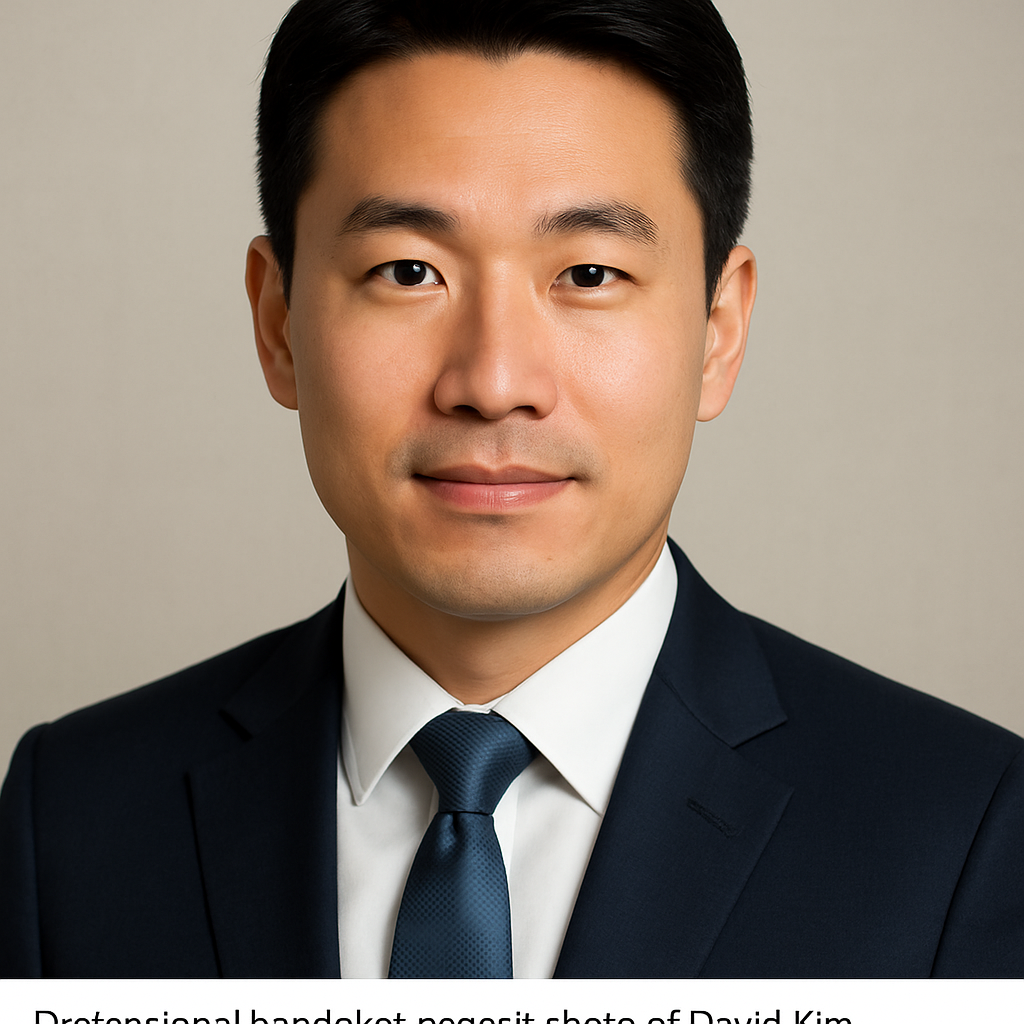
Forex Market Research Analyst
David Kim brings 15 years of institutional forex analysis experience to retail and prop trading evaluation. His data-driven approach to broker comparison and market structure analysis provides traders with the quantitative insights needed for informed platform and strategy decisions.
