Professional Trader's Broker Risk Assessment Framework: 2026 Complete Guide
What Is a Broker Risk Assessment Framework?
A broker risk assessment framework is a systematic approach to identify, measure, and manage potential threats to your trading operations. This structured process helps brokers evaluate everything from counterparty risks to operational failures before they impact client funds or business continuity.
The framework serves as your early warning system. It catches problems while they're still manageable. Think of it as a health check for your entire brokerage operation.
Most retail traders never see behind the curtain. They don't know how their broker handles risk. But smart traders dig deeper. They want to know their broker won't vanish overnight or freeze their accounts during volatile markets.
A proper risk framework covers five core areas. First comes credit risk - can your counterparties pay what they owe? Second is operational risk - will your systems work when markets get crazy? Third covers market risk - how much exposure is too much? Fourth addresses liquidity risk - can you meet withdrawal demands? Fifth involves regulatory risk - are you compliant with changing rules?
Here's what separates amateur operations from professional ones. Amateurs react to problems after they happen. Professionals build systems to prevent problems from happening at all.
The best understand this difference. They invest heavily in risk management because they know it protects everyone - the firm, the clients, and the industry's reputation.
Core Components of an Effective Risk Management System
Every solid risk framework starts with clear governance. Someone needs to own the process. Someone needs to make the hard calls when risks get too high. This person can't be the same one pushing for more aggressive trading strategies.
The risk committee should meet weekly, not monthly. Markets move fast. Risks compound quickly. By the time you spot trouble in monthly reports, it's often too late to fix cheaply.
Risk Component
Assessment Frequency
Key Metrics
Credit Risk
Daily
Counterparty exposure, concentration limits
Market Risk
Real-time
VaR, stress test results, position limits
Operational Risk
Weekly
System uptime, error rates, staff turnover
Liquidity Risk
Daily
Cash ratios, funding sources, withdrawal patterns
Infrastructure matters more than most people think. You need systems that talk to each other. Your trading platform should automatically flag when someone hits position limits. Your accounting system should instantly show cash shortfalls. Your compliance system should catch regulatory violations in real-time.
Manual processes fail under pressure. Humans make mistakes when they're stressed. Systems don't panic during market crashes.
The best brokers run three types of stress tests monthly. Historical scenarios replay past market crashes. Monte Carlo simulations model thousands of possible futures. Extreme scenarios test what happens when everything goes wrong at once.
Data quality determines everything else. Garbage data means garbage decisions. Your risk calculations are only as good as the numbers feeding them. Clean, accurate, timely data isn't optional - it's the foundation that everything else builds on.
Identifying and Categorizing Broker-Specific Risks
Forex brokers face unique risks that other businesses don't encounter. Currency volatility can wipe out margins in minutes. Regulatory changes happen overnight. Technology failures during major news events cost millions.
Client concentration creates hidden dangers. If your top ten clients generate 60% of your revenue, you're vulnerable. When they leave, they take your profitability with them. Smart brokers track this metric religiously.
Counterparty risk hits harder in forex than other markets. Your liquidity provider goes down, your clients can't trade. Your prime broker fails, your funds get frozen. Diversification isn't just smart - it's survival.
Technology risk multiplies during volatile markets. That's exactly when you can least afford downtime. Your servers need to handle 10x normal volume without breaking. Your backup systems need backups.
Market risk comes in different flavors for brokers. There's the obvious stuff - taking the other side of client trades. But there's also basis risk when your hedges don't perfectly match client positions. Gap risk when markets jump overnight. Correlation risk when supposedly independent positions move together.
Regulatory risk keeps getting worse. Rules change constantly. Enforcement gets stricter. Penalties get bigger. What was legal last year might be banned this year. Your compliance team needs to think like regulators, not just follow old rules.
Operational risk hides in boring places. Staff turnover in key roles. Inadequate documentation. Poor internal controls. Weak vendor management. These sound minor until they cause major problems.
Reputational risk can kill faster than any other type. One bad news story goes viral. Clients flee. Regulators investigate. Banks close accounts. Recovery takes years if it happens at all.
Regulatory Requirements and Compliance Frameworks
Regulatory requirements vary wildly by jurisdiction. What works in Cyprus won't work in Australia. What's required in the UK might be overkill in the Bahamas. But some standards are becoming universal.
FINRA evaluates 11 broad risk categories as their foundation for monitoring member firms. Their approach focuses on systematic risk assessment across operational, financial, and compliance areas.
Client fund segregation is non-negotiable in serious jurisdictions. Client money stays separate from firm money. Period. No exceptions. No borrowing from client accounts to cover operational expenses. This isn't just best practice - it's basic survival.
Regulatory Area
Key Requirements
Monitoring Frequency
Capital Adequacy
Minimum capital ratios, stress testing
Daily
Client Protection
Fund segregation, negative balance protection
Continuous
Market Conduct
Best execution, conflict management
Trade-by-trade
Reporting
Transaction reports, position reports
T+1
Capital requirements keep rising. Regulators want bigger buffers. They want more liquid assets. They want proof you can survive market shocks without taxpayer bailouts.
Best execution rules are getting teeth. It's not enough to say you provide best execution. You need to prove it. You need systems that monitor execution quality. You need reports that show how your prices compare to market benchmarks.
The IOSCO guidance on risk management for securities firms provides a uniform framework that many national regulators follow. Their standards emphasize adequate capital, proper controls, and transparent reporting.
Transaction reporting is becoming real-time. Regulators want to see trades as they happen, not days later. Your systems need to report automatically. Manual processes won't meet the new timelines.
Risk limits aren't suggestions anymore. They're requirements. You must have position limits. You must have concentration limits. You must have systems that enforce these limits automatically. Breaches trigger immediate action, not committee meetings.
Technology Infrastructure for Risk Assessment
Your risk systems need to be faster than your trading systems. Risk calculations happen in real-time or they don't happen at all. By the time you spot a problem in yesterday's reports, the damage is done.
Integration makes or breaks risk management. Your systems need to talk to each other instantly. Position data flows from trading platforms. Market data feeds pricing engines. Accounting systems track cash flows. Everything connects, or nothing works properly.
Cloud infrastructure offers advantages but creates new risks. Your data lives on someone else's servers. Your calculations run on someone else's hardware. Your uptime depends on someone else's competence. Choose providers carefully. Have backup plans.
Real-time monitoring beats batch processing every time. You want alerts within seconds, not hours. Position limits get breached in milliseconds during volatile markets. Your systems need to react faster than humans can think.
Data storage requirements are exploding. Regulators want more history. Risk models need more inputs. Clients demand more transparency. Plan for 10x growth in data volumes over the next five years.
API reliability determines system reliability. Your systems are only as strong as their weakest connection. Third-party data feeds fail. Exchange connections drop. Backup systems need to kick in automatically.
Machine learning improves risk detection but creates model risk. Algorithms learn from historical data. They might not recognize new types of risk. Human oversight remains essential. Models are tools, not replacements for judgment.
Building a Customized Framework for Your Brokerage
Your risk framework should fit your business model like a custom suit. A market maker faces different risks than an ECN broker. A retail-focused firm has different concerns than an institutional platform.
Start with your business model. How do you make money? Where do your revenues come from? What could disrupt those revenue streams? Build your framework around protecting your core business.
Client types determine risk profiles. Professional traders behave differently than retail speculators. Algorithmic clients create different risks than manual traders. Hedge funds have different needs than individual investors.
The best frameworks evolve with your business. What worked when you had 100 clients won't work with 10,000 clients. What worked in calm markets needs adjustment for volatile periods. Regular reviews keep frameworks current.
According to Marsh research, the most effective insurance risk frameworks focus on five key components: governance, identification, assessment, treatment, and monitoring.
Size matters for framework design. Small brokers can't afford the same systems as large ones. But they can't afford to ignore risk either. Scale your approach to your resources. Simple frameworks executed well beat complex frameworks executed poorly.
Geographic spread affects framework complexity. Single-jurisdiction brokers have simpler requirements than global platforms. Each new country adds regulatory layers. Each new time zone adds operational challenges.
Product mix drives risk categories. FX-only brokers have different risks than multi-asset platforms. Cash forex has different risks than CFDs. Options create different exposures than spot trades.
Technology sophistication should match risk sophistication. Advanced algorithms need advanced risk controls. Simple business models can use simpler systems. Don't over-engineer solutions for problems you don't have.
Monitoring and Reporting Best Practices
Real-time dashboards save careers. You need key metrics visible at all times. Risk limits. Position concentrations. P&L volatility. Cash balances. System status. Everything important fits on one screen.
Exception reporting works better than regular reports. Don't flood people with data they can't use. Alert them when things go wrong. Let systems handle the routine monitoring. Humans focus on the exceptions.
Traffic light systems simplify complex information. Green means normal. Yellow means caution. Red means action required. Anyone can understand the status at a glance. Complex explanations come later.
Report Type
Audience
Frequency
Key Focus
Risk Dashboard
Risk Team
Real-time
Current exposures, limit utilization
Management Summary
Senior Management
Daily
Key risks, trend analysis
Board Report
Board of Directors
Monthly
Strategic risks, framework effectiveness
Regulatory Filing
Regulators
As required
Compliance status, capital adequacy
Historical trending reveals patterns that daily reports miss. Risk levels that look normal today might be climbing steadily. Weekly trends show direction. Monthly trends show bigger patterns. Annual reviews show long-term changes.
Benchmark comparisons provide context. Your risk metrics mean nothing without comparison points. Industry averages help. Peer group data helps more. Historical performance helps most.
Automated escalation prevents critical issues from getting ignored. When limits get breached, systems should notify people immediately. When people don't respond, systems should notify their managers. When managers don't respond, systems should notify executives.
Drill-down capability lets users investigate anomalies. Summary reports show what happened. Detailed reports show why it happened. Good systems let users click through layers of detail without switching applications.
Integration with Trading Operations
Risk management and trading operations need to work as one system. Risk controls that slow down trading create business problems. Trading systems that ignore risk controls create bigger problems.
Pre-trade checks happen in milliseconds. Systems verify available margin. They check position limits. They confirm credit status. All automatically. All instantly. Trades that pass get executed. Trades that fail get rejected.
Position limits need real-time enforcement. It's not enough to calculate limits daily. Positions change with every trade. Limits need updating continuously. Breaches trigger immediate action.
understand this integration requirement. They build risk controls into their core trading infrastructure rather than bolting them on afterward.
Hedge management becomes automatic with proper integration. Systems identify net exposures. They calculate optimal hedge ratios. They execute hedges without human intervention. Risk gets managed in real-time, not after the fact.
Client onboarding includes risk profiling from day one. Know your customer rules aren't just regulatory requirements. They're risk management tools. Higher-risk clients get tighter controls. Lower-risk clients get more flexibility.
Error handling prevents small problems from becoming big ones. Systems need to fail safely. When connections drop, positions should flatten automatically. When data feeds fail, trading should pause. When risk calculations fail, limits should tighten.
Recovery procedures get tested regularly. System failures happen. The question is how quickly you recover. Backup systems need testing under realistic conditions. Recovery drills should happen monthly, not annually.
Staff Training and Risk Culture Development
Risk culture starts at the top but lives in daily operations. If senior management talks about risk but doesn't fund risk controls, employees notice. If bonuses reward excessive risk-taking, people will take excessive risks.
Training needs to be specific and practical. Generic risk management courses don't help. People need to understand the specific risks in their specific roles. Traders need different training than operations staff. Sales teams need different training than compliance teams.
Regular risk discussions keep awareness high. Monthly team meetings should include risk topics. Quarterly company meetings should review major risk events. Annual training should cover new risks and updated procedures.
Incident reporting encourages early problem identification. People need to feel safe reporting potential issues. Blame cultures discourage reporting. Learning cultures encourage it. Near-miss reporting often prevents actual disasters.
Cross-training reduces key person risk. What happens when your head of risk goes on vacation? What happens when your chief trader gets sick? Important knowledge needs to live in multiple heads.
Performance metrics should include risk measures. Don't just measure trading profits. Measure risk-adjusted profits. Don't just track client satisfaction. Track compliance violations. What gets measured gets managed.
Recognition programs reinforce good behavior. Celebrate people who spot risks early. Reward teams that stay within limits during volatile markets. Make risk management a source of pride, not just a necessary burden.
Common Implementation Challenges and Solutions
Resource constraints hit smaller brokers hardest. They need risk management but can't afford dedicated teams. The solution is technology. Automated systems handle routine monitoring. Humans focus on exceptions and decisions.
Resistance to change comes from everywhere. Traders complain about new limits. Operations teams resist new procedures. Management worries about costs. Change management becomes as important as risk management.
Data quality problems undermine everything else. Systems produce garbage when fed garbage. Clean data requires ongoing effort. Automated validation catches obvious errors. Human review catches subtle problems.
System integration challenges multiply with each vendor. Every new system creates new interfaces. Every interface creates potential failure points. Standardized APIs help. Single-vendor solutions help more.
Challenge
Impact
Solution
Timeline
Data Quality
Poor risk decisions
Automated validation, regular audits
3-6 months
Staff Resistance
Poor adoption
Training, incentives, clear communication
6-12 months
System Integration
Manual processes
Standardized APIs, phased rollout
6-18 months
Regulatory Changes
Compliance violations
Monitoring services, flexible systems
Ongoing
Regulatory complexity increases with geographic expansion. Each jurisdiction has different rules. Each regulator has different priorities. Coordination becomes critical. Central policy setting with local implementation works best.
Cost justification gets easier after the first major loss event. Risk management looks expensive until something goes wrong. Then it looks cheap. Don't wait for disasters to justify investments.
Vendor selection requires deep technical evaluation. Marketing presentations don't show system limitations. Proof-of-concept testing reveals real capabilities. Reference checks reveal real experiences.
Measuring Framework Effectiveness
Key performance indicators need to measure what matters. It's not enough to track system uptime. You need to track risk-adjusted returns. You need to measure how often limits prevent problems. You need to quantify the value of early warning systems.
Backtesting shows how your framework would have performed historically. Run your current risk models against past market events. Would they have caught the problems that actually occurred? Would they have prevented the losses you actually suffered?
Benchmarking against peers provides external validation. Your risk metrics mean more when compared to industry standards. But be careful about data sources. Not all benchmarking data is reliable or comparable.
Regular framework reviews keep systems current. What worked last year might not work this year. Market conditions change. Business models evolve. Regulatory requirements update. Frameworks need regular maintenance.
Cost-benefit analysis justifies ongoing investments. Risk management isn't free. But neither are the problems it prevents. Track the costs of your framework. Estimate the costs of the problems it prevents. Good risk management pays for itself.
Client feedback reveals operational impacts. Are risk controls making trading harder? Are margin requirements too high? Are execution speeds too slow? Balance risk management with business needs.
Stress testing validates framework robustness. Historical scenarios test against known events. Monte Carlo simulations test against statistical possibilities. Extreme scenarios test against imaginative disasters. All three types provide different insights.
Continuous improvement means never being satisfied. Every risk event teaches lessons. Every system failure reveals weaknesses. Every regulatory change creates opportunities for enhancement. The best frameworks evolve constantly.
Update your framework quarterly for minor adjustments and annually for majorreviews. Market Conditions change constantly. Regulatory requirements evolve regularly. Your framework needs to keep pace with both internal changes and external developments.
Industry estimates suggest spending 3-5% of gross revenue on Risk Management technology and staff. Smaller brokers can start with basic automated systems for around $50,000 annually. Larger operations may need millions in infrastructure and personnel.
Track three key metrics: risk-adjusted returns, limit breach frequency, and operational loss incidents. Your framework works if you're earning consistent profits while staying within risk parameters and avoiding operational disasters.
Buy core risk infrastructure and customize interfaces. Building from scratch takes too long and costs too much. Established vendors have already solved the basic problems. Focus your development resources on business-specific features.
You're gambling with your business and your clients' money. Regulatory fines start at hundreds of thousands. Client losses can trigger lawsuits. Operational failures can destroy reputations. The question isn't whether problems will occur - it's whether you'll survive them.
Connect risk management to business success. Show how limits protect profitability. Demonstrate how controls prevent disasters. Include risk metrics in performance reviews. Make compliance part of the company culture, not just a regulatory burden.
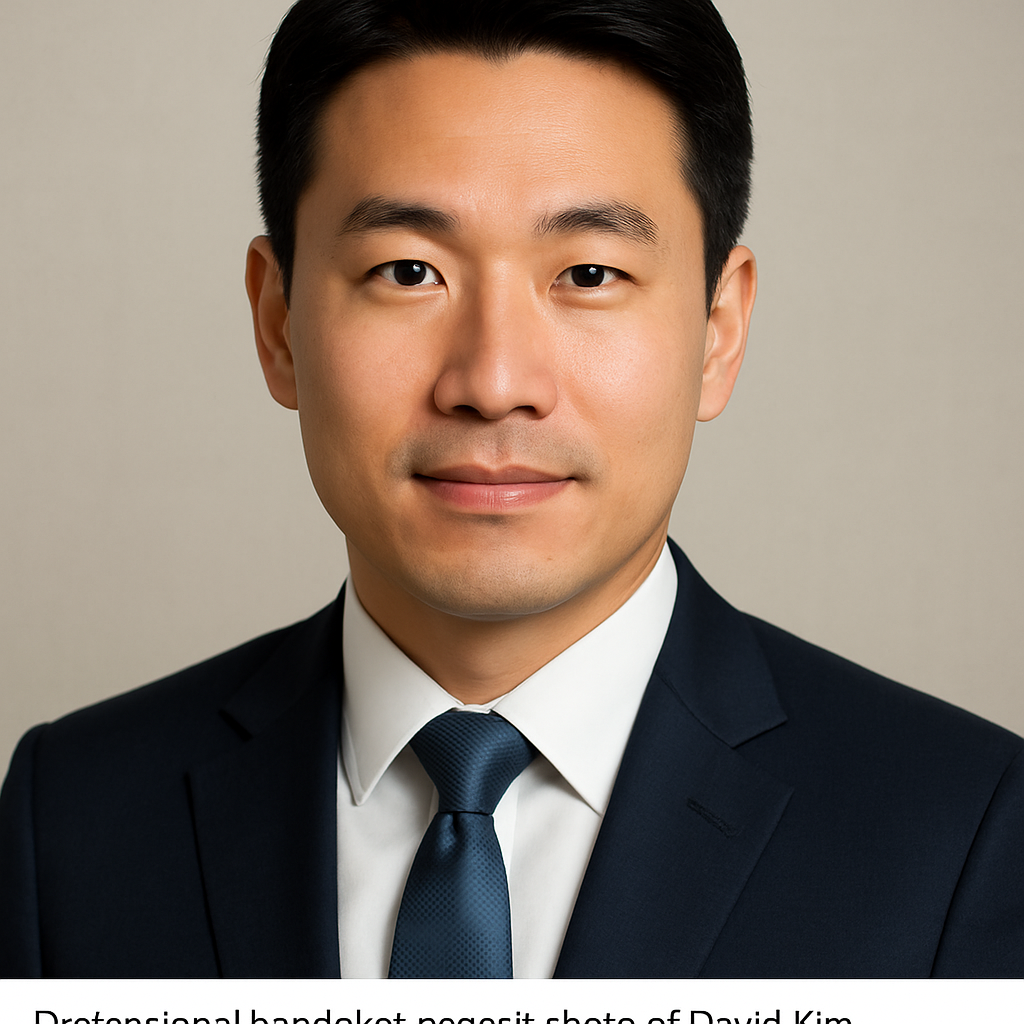
David Kim brings 15 years of institutional forex analysis experience to retail and prop trading evaluation. His data-driven approach to broker comparison and market structure analysis provides traders with the quantitative insights needed for informed platform and strategy decisions.
 NextTrade Broker

 Technology risk multiplies during volatile markets. That's exactly when you can least afford downtime. Your servers need to handle 10x normal volume without breaking. Your backup systems need backups.
Market risk comes in different flavors for brokers. There's the obvious stuff - taking the other side of client trades. But there's also basis risk when your hedges don't perfectly match client positions. Gap risk when markets jump overnight. Correlation risk when supposedly independent positions move together.
Regulatory risk keeps getting worse. Rules change constantly. Enforcement gets stricter. Penalties get bigger. What was legal last year might be banned this year. Your compliance team needs to think like regulators, not just follow old rules.
Operational risk hides in boring places. Staff turnover in key roles. Inadequate documentation. Poor internal controls. Weak vendor management. These sound minor until they cause major problems.
Reputational risk can kill faster than any other type. One bad news story goes viral. Clients flee. Regulators investigate. Banks close accounts. Recovery takes years if it happens at all.
Technology risk multiplies during volatile markets. That's exactly when you can least afford downtime. Your servers need to handle 10x normal volume without breaking. Your backup systems need backups.
Market risk comes in different flavors for brokers. There's the obvious stuff - taking the other side of client trades. But there's also basis risk when your hedges don't perfectly match client positions. Gap risk when markets jump overnight. Correlation risk when supposedly independent positions move together.
Regulatory risk keeps getting worse. Rules change constantly. Enforcement gets stricter. Penalties get bigger. What was legal last year might be banned this year. Your compliance team needs to think like regulators, not just follow old rules.
Operational risk hides in boring places. Staff turnover in key roles. Inadequate documentation. Poor internal controls. Weak vendor management. These sound minor until they cause major problems.
Reputational risk can kill faster than any other type. One bad news story goes viral. Clients flee. Regulators investigate. Banks close accounts. Recovery takes years if it happens at all.